Uncovering Affiliate Incentive Models in Esports and Virtual Sports Wagering
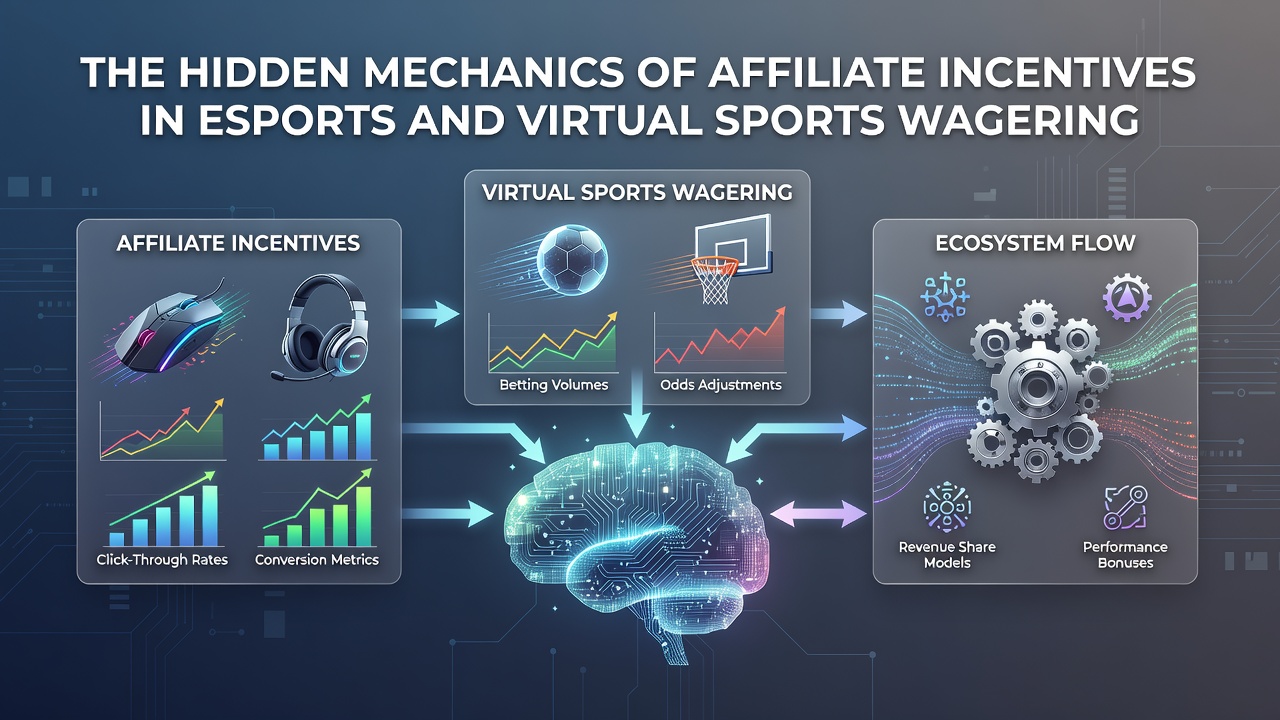
Esports and virtual sports wagering have expanded rapidly in recent years, and affiliate incentive programs form a core part of how operators acquire and retain users across these markets. These programs connect promoters, streamers, and content creators with betting platforms through structured payment arrangements that reward successful referrals, yet the underlying mechanics often remain opaque to casual observers.
Core Structures of Affiliate Compensation
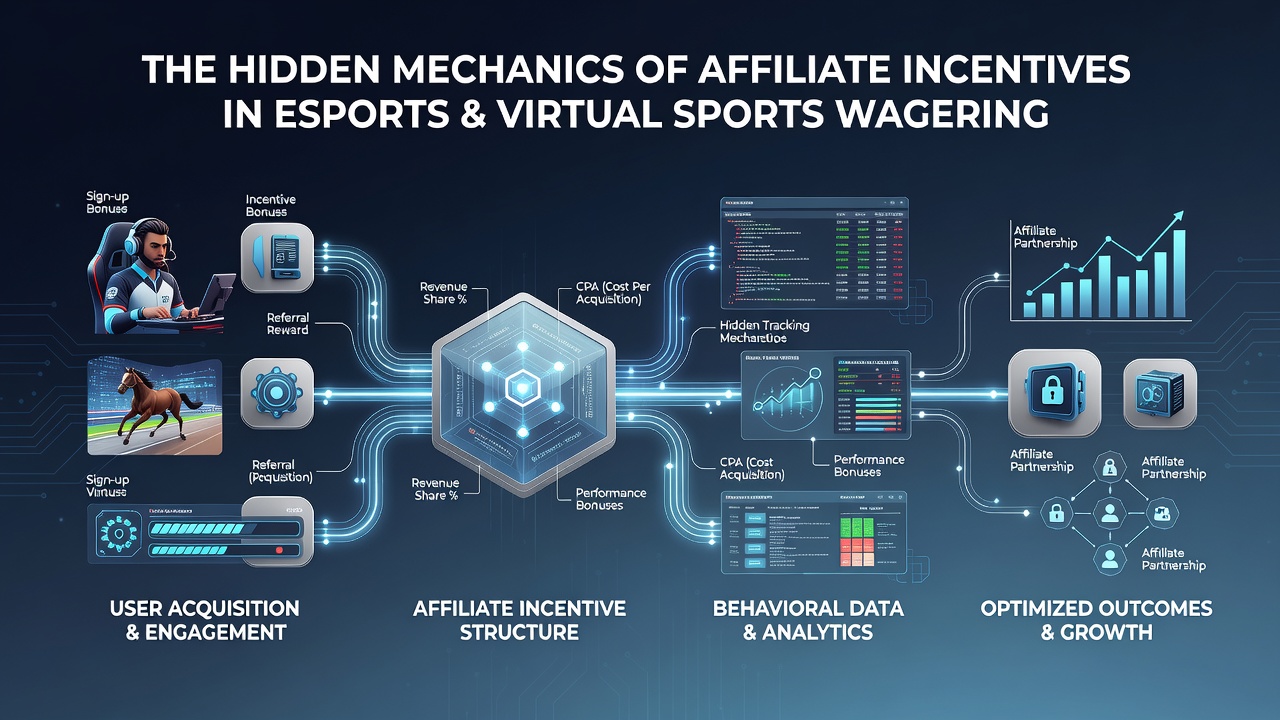
Revenue share arrangements dominate many affiliate deals in this sector, where promoters receive ongoing percentages of net revenue generated by referred players over months or years, and cost-per-acquisition models pay fixed sums for each new depositor who meets minimum activity thresholds. Hybrid structures combine elements of both approaches, allowing affiliates to secure upfront payments while earning residual income from sustained player engagement, which aligns incentives across short-term acquisition and long-term retention goals.
Tracking systems rely on unique affiliate codes, cookies, and player identifiers that record activity from initial click through deposit and ongoing bets, although these mechanisms face challenges from cookie expiration, device switching, and players who clear browser data regularly. Operators deploy additional safeguards such as last-click attribution rules and multi-touch tracking to allocate credit accurately when users interact with multiple promoters before registering.
Technical and Operational Layers
Behind the visible banners and referral links lie sophisticated software platforms that monitor player behavior in real time, calculating commissions based on metrics like total handle, deposit volume, and retention rates. These dashboards give affiliates visibility into performance data while operators maintain control over payout thresholds, negative carryover policies, and fraud detection filters that can void commissions when suspicious patterns emerge.
Virtual sports products, which feature simulated events generated by algorithms rather than live competitions, present distinct affiliate dynamics because outcomes occur on fixed schedules and attract bettors seeking rapid resolution, and promoters often highlight these frequent betting opportunities to drive volume. Esports titles such as League of Legends and Counter-Strike introduce seasonal peaks tied to major tournaments, creating concentrated referral windows that affiliates target with timed campaigns and bonus codes.
Regional Regulatory Variations
Regulatory frameworks differ sharply across jurisdictions, with the American Gaming Association publishing guidelines that emphasize transparency in marketing partnerships while state-level bodies enforce separate licensing requirements for affiliates operating within their borders. Research from the Australian Gambling Research Centre indicates that disclosure rules have tightened since 2024, requiring clearer separation between promotional content and editorial material on platforms that cover virtual sports and esports betting.
Operators active in multiple markets must adapt commission structures to comply with local advertising standards, and data released in October 2026 highlighted increased scrutiny on cross-border affiliate activity where players from restricted regions inadvertently access promotions through global networks. Industry organizations such as the American Gaming Association continue to track these developments and provide compliance resources for members navigating overlapping rules.
Emerging Patterns and Risk Controls
Fraud prevention teams monitor for practices such as self-referrals, bonus abuse, and multi-accounting that can inflate affiliate earnings without genuine player growth, and automated systems flag accounts showing identical IP addresses or payment details across multiple referred users. Affiliates who maintain transparent operations often build longer partnerships because operators prioritize reliable traffic sources over short-term volume spikes that later produce chargebacks or regulatory issues.
Payment processing adds another layer of complexity when commissions cross international borders, involving currency conversion fees, tax withholding requirements, and varying banking restrictions that can delay payouts for weeks. Some programs now offer cryptocurrency settlement options to reduce friction, although these alternatives introduce their own volatility and compliance considerations for both parties.
Conclusion
Affiliate incentive programs in esports and virtual sports wagering operate through layered technical, financial, and regulatory systems that balance operator acquisition goals with promoter compensation needs. Observers note that continued growth in these verticals will likely prompt further refinement of tracking accuracy, fraud detection, and disclosure standards as markets mature and oversight bodies issue updated guidance. Those who study these mechanisms recognize that sustainable models depend on clear attribution rules, fair commission structures, and consistent enforcement across jurisdictions.